Florida is once again at the center of a property insurance crisis. But this time, the story is not just about insurers leaving the state — it is about homeowners leaving insurance altogether.
In a recent FOX 35 Orlando segment, reporter Amy Caulfield revealed that a growing number of Floridians are choosing to drop their home insurance entirely because they simply cannot afford it anymore. As one resident put it, “It went up massively in one year.”
That decision, driven by financial strain, is raising serious alarms among regulators and insurance experts, who warn that the short-term savings could lead to devastating long-term consequences.
The Rising Cost of the “Sunshine State Dream”
Owning a home in Florida has always involved risk. Hurricanes, flooding, sinkholes, and rising sea levels make homeowners insurance both essential and expensive.
In 2024, those costs have reached a breaking point. According to data cited by FOX 35, Florida now leads the nation in the percentage of homeowners dropping insurance coverage. An estimated 15% to 20% of homeowners are now uninsured — far above the national average of 12%.
The primary driver is price. Florida’s average homeowners insurance premium has climbed to roughly $6,000 per year, representing a 42% increase since 2022. For many families, that level of expense is no longer sustainable.
As Caulfield noted, for some homeowners the question is no longer “Which policy should I buy?” but “Can I afford insurance at all?”
Why Florida Home Insurance Premiums Are Exploding
Several overlapping forces are driving Florida’s extreme premium increases.
Severe weather risk remains the biggest factor. Florida faces more hurricanes, flooding, and storm-related losses than any other state. As catastrophe claims grow larger and more frequent, insurers must price those risks into every policy.
Reinsurance inflation has also played a major role. Reinsurance — the insurance that insurers buy — has doubled or tripled globally since 2020 due to climate-driven disasters. Those costs are passed directly to consumers through higher premiums.
Litigation and fraud have further destabilized the market. For years, Florida struggled with excessive lawsuits and contractor abuse tied to roof claims. Legal fees and inflated repair bills pushed multiple carriers into insolvency and reduced competition.
Finally, the insurer exodus has intensified the problem. As more companies leave the state, fewer carriers remain to compete for business. With limited choices, the remaining insurers are able — and often forced — to charge much higher premiums to cover growing risk.
Who Can Realistically Go Without Insurance
For most homeowners, dropping insurance is not even an option. Mortgage lenders require property insurance as a condition of the loan to protect their financial interest.
Only homeowners who own their properties outright — without a mortgage — can legally choose to self-insure. This includes some retirees, long-term owners, and cash buyers.
But the freedom to go uninsured comes with enormous risk. If a hurricane, fire, or major water loss occurs, the homeowner must pay entirely out of pocket. In a state exposed to year-round storm threats, one disaster can wipe out decades of savings.
The Illusion of Short-Term Savings
Many uninsured homeowners frame the decision as a calculated financial trade-off, saving thousands per year in premiums. But those savings can disappear instantly after a single loss.
For example, saving $5,000 per year for a few years may feel significant — until a storm causes $50,000 or more in damage. At that point, years of “savings” vanish overnight with no financial safety net.
Beyond storm damage, uninsured homeowners also face risks from plumbing failures, kitchen fires, lightning strikes, and mold. Even if no loss occurs, going uninsured can make it harder to sell the home, refinance, or return to the insurance market later.
Expert Warnings: Do Not Go Uninsured
Insurance professionals across Florida are nearly unanimous in their guidance: do not drop coverage.
Experts interviewed by FOX 35 acknowledged the frustration but emphasized that going uninsured exposes homeowners to potentially catastrophic financial loss. Instead of eliminating coverage, they recommend exploring other ways to manage costs.
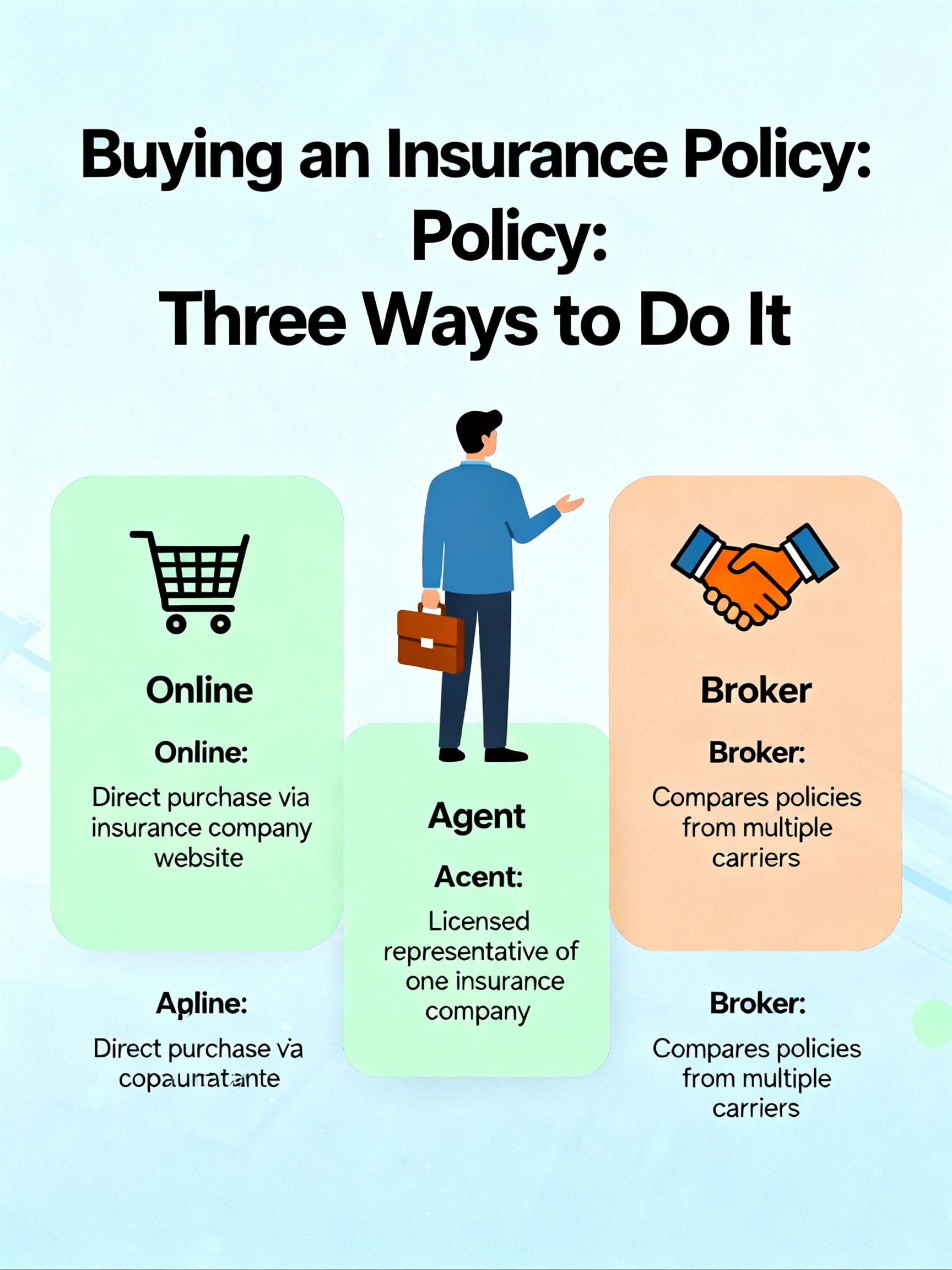
Common strategies include raising the deductible to reduce premiums, bundling home and auto insurance for multi-policy discounts, and working with independent brokers who can shop across multiple carriers.
Homeowners are also encouraged to invest in mitigation measures such as impact-resistant roofing, hurricane shutters, improved drainage, and wind-resistant construction features. Florida’s My Safe Florida Home program even offers grants to help fund home-hardening projects that can lower both risk and insurance costs.
The Broader Threat to Florida’s Housing Market
The crisis extends beyond individual affordability. When large numbers of homeowners go uninsured, the ripple effects can destabilize entire communities.
Uninsured losses after a major hurricane can delay rebuilding, depress property values, and strain local economies. The burden also shifts toward Florida’s Citizens Property Insurance Corporation, the state-backed insurer of last resort.
Citizens already holds more than 1.3 million policies. If private insurers continue to exit and more homeowners go uninsured, Citizens could face overwhelming losses after a major storm — potentially forcing taxpayers to absorb the financial damage.
This pattern mirrors what is unfolding in California’s FAIR Plan, where rising enrollment is threatening long-term solvency. In both states, regulators are grappling with how to balance affordability with market sustainability.
Florida’s Insurance Reform Efforts So Far
State lawmakers have attempted to stabilize the market. In late 2022 and 2023, Florida passed sweeping reforms aimed at reducing litigation abuse, stabilizing reinsurance, and encouraging insurers to return.
Early results show fewer lawsuits and fewer company failures. However, premiums have not yet come down. As analysts have observed, the immediate financial bleeding may have slowed, but the patient remains in critical condition.
Until competition increases and risk pricing stabilizes, homeowners should expect continued volatility.
The Deeper Question for Florida Residents
For many long-time residents, the insurance crisis has evolved into a broader affordability dilemma. Insurance costs now intersect with rising property taxes, maintenance expenses, and general cost-of-living increases.
As one FOX interviewee asked bluntly, “Can I afford to live here?”
When families can no longer afford to insure their homes, it is not just a financial issue — it becomes a social and economic one that threatens the long-term stability of entire communities.
Final Thoughts on Florida’s Insurance Crisis
The surge in uninsured Florida homeowners is a symptom of a deeper structural problem: a market struggling to adapt to rising climate risk, legal costs, and shrinking competition.
Self-insuring may feel like a temporary financial fix, but it exposes homeowners to devastating losses that can erase years of savings in a single storm.
The message from experts is clear. Insurance reform, stronger competition, and transparency are essential for long-term stability. But for now, one principle remains non-negotiable:
Do not gamble with your home. Protect it — even when the cost feels unfairly high.